

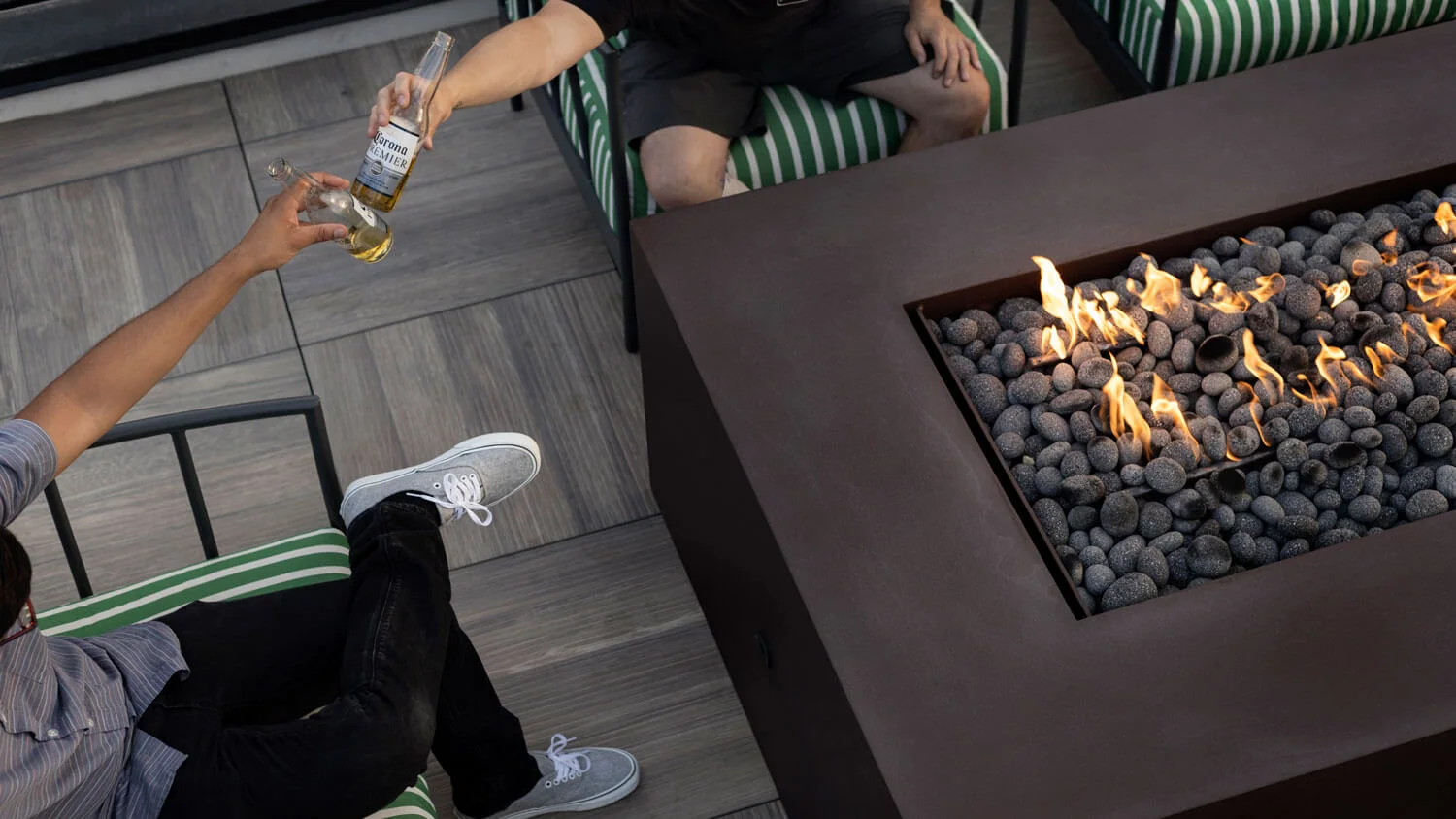
Many property managers tell us that their apartments’ rooftops are what seals the deal when it comes to showing interested would-be residents a tour of the property.
Rooftop amenities definitely show well for a leasing agent on a tour, but this isn’t the only way to attract the best tenants to your property. With so much of the shopping occurring online, apartment marketing and sales strategies should be focused on putting the rooftop amenities front and center.
Consider the following ways rooftop amenities can help you market your property to today’s prospective renters online.
Invest in Quality Imagery
The first impression many potential residents receive of your property is typically online, whether on social media or your website. That’s why it’s critical for you to have a fully functioning website with the best design and most current information.
Invest in professional photography for any images of your property, especially the rooftop amenities. Ensure that photography takes place during the optimal time of day (or evening) when lighting is best and is representative of when most people will be using it. Don’t settle for harsh and overexposed images taken midday when fewer residents are using the space.
While photography is important, don’t neglect the opportunity to show off the rooftop amenities in video. Video will capture your audience’s attention much more than static images, and will even improve your website’s SEO. A picture may be worth a thousand words, but it rarely tells the full story. Get the most out of your rooftop amenities with compelling videography.
Create an Immersive Shopping Experience
Many of your potential residents may not be able to visit your property in person before they sign their lease, and others will just prefer vetting your property from the comfort of their own home. Create an immersive online shopping experience so that they can confidently move forward in their buying process.
If you have virtual tours of individual units, make sure you create some for your rooftop amenities. At the very least, create a video walkthrough highlighting the same things your leasing agents would if they were walking through the space in person.
Hold periodic virtual open houses on the rooftop, with live Q&As and giveaways. These types of events generate excitement and spread through word of mouth to a wider audience than you currently have online. It’s a great way to invite more people to see the benefits of living in your community.
Reach out to local micro influencers and invite them to spend time at your rooftop so they can go live on their social media accounts and talk to their followers about how amazing your rooftop amenities are. This will also increase your reach. Many potential residents are more likely to engage with an influencer on social media than they are to follow your company account.
Sell Experiences, Not Features
Finally, seek to get your messaging in line with selling experiences, not features. This gets at the core of what renters are really looking for. Sure, you can list “rooftop deck” as an amenity on your website all day long, but it will fail to capture their attention until you demonstrate how that will directly enhance their lifestyle.
Rather than solely using rooftop amenities to check off a box, make them central to your community’s identity and brand. People support brands based off of the way they feel toward them and then use logic to rationalize their buying decisions.
The bottom line is that people will rent from you based on who they aspire to be, not because of a swimming pool, BBQ grill, or any other specific feature. If they want a convenient urban lifestyle, fully immersed in their city, make sure the buying experience reinforces those feelings and desires. Then they will have already made up their minds about signing a lease by the time they contact you.