

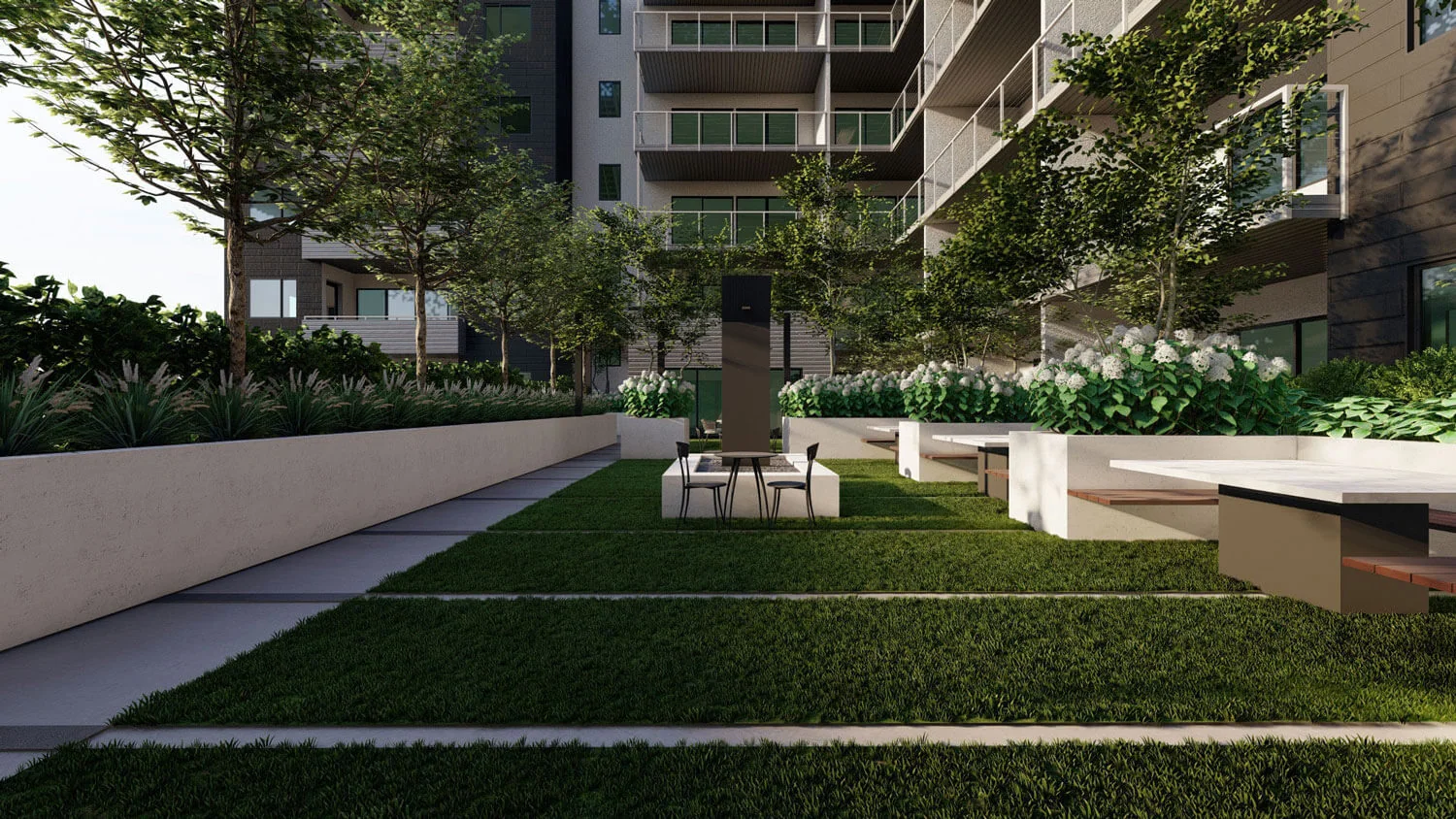
It is said that great places have two things in common: they have one foot in memory and the other in prophecy. In other words, the best places in this world are rooted in the past, while stretching out into the future. They represent both the best of what has occurred and the highest aspirations for what is to come.
How does this apply to rooftop amenities at urban multifamily developments? The best rooftop amenities draw from the past by implementing design archetypes that have proven successful. Meanwhile they are inspired by an innovative vision for the future that at this point can only be imagined.
The Rooftop Amenity Archetypes of the Past
Rooftop amenities have existed since ancient times, most prominently among the ziggurats of Mesopotamia where complex irrigation systems watered planted rooftops up to 75 feet above the ground. The Romans built rooftop amenities as extensions of urban homes where residents could socialize, dine, and find refuge from the heat.
Rooftop amenities appeared in New York City in the late 1800’s as investors began to see the value they brought to urban life. Since that time, urban rooftop amenities have increased exponentially across Europe and North America.
The inspiring history of rooftop amenities provides a great starting point for any contemporary design. From the ziggurat rooftops of Mesopotamia comes the archetype of the lush, green rooftop. From the Romans, the outdoor living program. And from modern New York City, leveraging rooftop amenities for increasing the marketability and value of a development property.
Rooftop amenities with one foot in the past build on the foundation of these traditions. Even the most innovative rooftop amenities should be recognizable or familiar to some extent as people will have basic expectations fueled by thousands of years of tradition.
A New Economic Push for Originality
For a time between the Gilded Age and the 1950’s, people were moving to cities across the country, increasing the cultural diversity and vitality of urban places. But, as people began to embrace the concept of suburbia, there was an economic drive toward homogeneity and sameness. Strip malls, fast food chains, and cookie cutter subdivisions were the staples of development for decades.
But these places soon lost their cultural relevance. There wasn’t much left to distinguish one community from another. People began to miss the beautiful environments that were created organically over time in urban places.
Now there is a new economic push for originality. There is a demand among consumers for places that express their individuality. Everything should now be unique.
As construction costs pile up and onerous zoning requirements limit the range of possibilities for the development of urban housing, rooftop amenities present the best opportunity for offering something original and unique to potential residents.
While more people are moving back to cities, they bring with them the expectation of a healthy lifestyle and access to fresh air and nature. Rooftop amenities are no longer limited to the select few wealthy urbanites. And the choice between urban living and the suburbs is no longer about having outdoor living experiences. Now all urban dwellers are getting access to high quality outdoor spaces as part of their living scenario.
Looking Toward the Future
Great places lean on past examples of success, but look toward the future with new ideas. It takes courage to try new things, especially in the slow-changing market of multifamily development.
That’s why innovation will enable you to stand out from the crowd. Opportunities abound for those brave enough to go against the status quo and provide outdoor living experiences that are truly unique.