

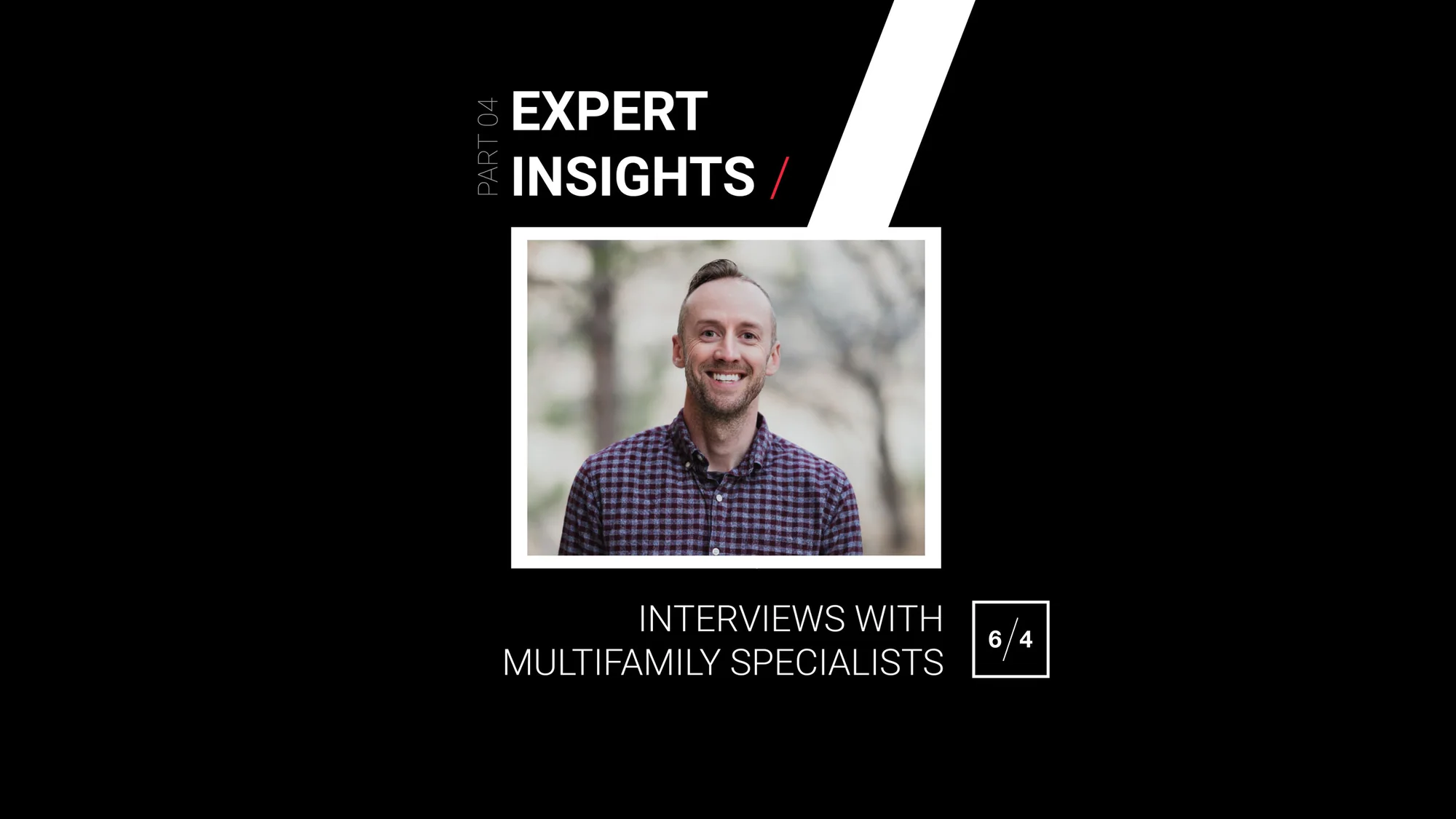
Authentic Form and Function partners with multifamily developments and specializes in creating beautiful experiences while building developers’ brands as a business asset. They create property brands that set themselves apart from competitors. Authentic specializes in building early awareness, increasing velocity for lease ups, and facilitating high-quality ROI.
Loft Six Four sat down with Authentic co-founder, Chris Arnold, to better understand how developers can leverage and communicate their brand through their projects’ unique offerings. In our conversation, we discuss:
- How a good brand impacts leasing and retention
- How to establish your property’s unique brand
- How that brand is expressed in your physical space
- Who’s involved in shaping your brand
- Where rooftop and outdoor amenities factor in
Discover what multifamily developers can and should do to make their next project stand out and resonate with ideal residents.
Note: Text has been edited for clarity and readability
How Do Branding & Identity Impact Leasing and Retention?
Loft Six Four: Who is Authentic’s ideal client?
Chris: We always find that our best outcomes are with partners who are interested in investing in a brand that sets their project and their property apart from their competition. Our target audience is the small to midsize developer — 50 to 250 units. We love partnering with groups interested in quality and high design, who are progressive thinkers. That’s not to say we don’t work with a wide variety of partners, but we’re able to do our best work when we’re aligned with a development partner who can see a vision beyond the immediate need over the next few months.
Again, it has to do with how you set yourself apart from your competition. Say a renter is interested in a neighborhood or a general area, and they’re looking at three to five properties. Right out of the gate, they realize a few of them are sort of “ho-hum”. But maybe there’s two that seem pretty cool.
It all comes down to how your brand attracts the right renter. Your brand is setting the tone for the vibe of your property and the experience your residents should come to expect. So if a renter says, “okay, option A versus option B,” what are the little nuances and thoughtful moments that you can create to set your property apart from your competition?
Right now, especially with so much building going on, and with so much uncertainty around capital markets and rental rates shifting quite significantly, anything you can do to invest in brand and experience to make that renters’ journey a positive one is important to improve lease-up and longer term retention.
Loft Six Four: What are the specific touch points in a project where developers can stand out and be remarkable?
Chris: Over the last few years, we’ve really built our offering around the development lifecycle. And so a few of those touch points come early on. You want to start showcasing your brand as early as possible. I always encourage ways to create a moment or multiple moments where you can stand out from your competitors because no one else is doing that.
For example, activate the construction site. We see fence wraps around construction sites all the time. But I was driving around a property in Colorado just last week. It was more than two thirds of the way built. I have no idea what it was. I would need a RealPage resource to figure out what this property is, because there’s just no branding, no recognition being built. That’s a missed branding opportunity.
If you can get your branding activated a year out — literally a couple of weeks after you start the construction phase on a project — that’s super important to build brand equity. Start to introduce the name to the neighborhood and the people walking by. Maybe you throw a QR code on a fence wrap, strategically placed so that someone doesn’t even need to enter a URL. They can just scan the QR code on their phone. And then as that development is being built, I encourage our development partners to nurture those leads for as long as possible.
The traditional playbook might suggest pre-leasing two months out from doors opening. But you should really start thinking about it eight to ten to twelve months out so you can nurture the renter all along that journey and introduce them to the property, introduce them to the brand, and even reveal fun moments that happen throughout the construction and development process.
Maybe it’s not going to be a great fit for a prospective resident because the timing wasn’t right. But now you have this group of people who are invested in what you’re building here. That means they’ll probably be invested in what you’ve already built or maybe what’s coming next.
Loft Six Four: How hard is it to get a developer on board with that vision?
Chris: It’s challenging at times. But the proof is in the pudding. Development partners that do sign on to that vision have seen shorter and faster lease ups. They’re stabilized quicker, which means they save money for every month they’re not in lease up mode and every month that they’re collecting rent.
When that’s bought into, the ROI on the back end is significant. And so when we talk about development and priorities, the number one priority for these development partners is to make sure that their capital investors are taken care of, they’re making money, and they’re running a business the best they can.
Loft Six Four: On a related note, at what point in the development process should you begin to consider branding and identity?
Chris: Brand and identity are parallel partners. Developing a brand is a holistic idea. The identity of that brand is a little more singular, but you need to introduce the brand to the public and the identity of that brand as early and as often as possible.
Again, have that in front of someone for twelve months so when you open your doors, they’re ready to walk in and sign the lease. Because they get it. The brand identity is familiar to them. They understand what your development is all about and they can see themselves living there.
That’s a home run for developers. So again, if you can do that from day one — really as soon as possible — you’re going to be better off in six, nine, or twelve months when you’re ready to start getting some leases signed.
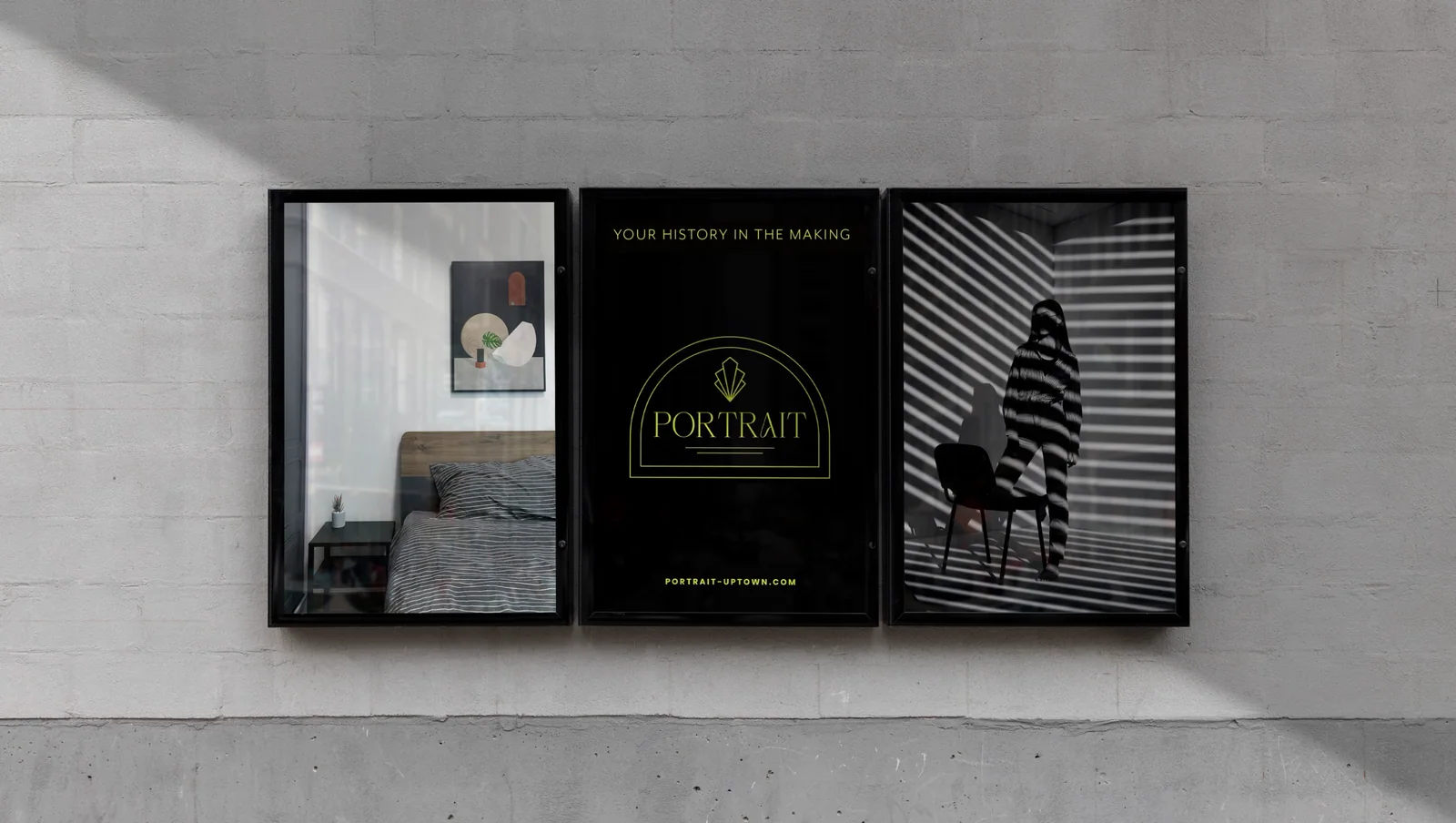
How Do You Establish Your Development’s Brand Direction Early On?
Loft Six Four: Why do you think getting direction on the brand before initiating design is important?
Chris: This could be taken a few different ways. For example, when you think about even the interior design of a space, you really need to understand what the space is before you can design it. Developers often come to us with an idea of what they want a site to be — a rough rendering or a general idea of some aesthetic preferences and things like that. And if we’re able to build a brand around what those initial cues are, it can serve as a springboard for interior design, rooftop amenity design, and even landscaping.
But we can run into problems when the development group has set sail with the interior design three or four months too early. Suddenly we have a building and we have some interior design, but we don’t have a brand yet. We don’t have a clear vision of what the property is going to be outside of that. And so you end up bumping on these disjointed nuances because no one’s sure of the direction. Are we basing the brand on our interior design? On the sort of exterior structure? Further, are we then basing future decisions around the brand we’re just now creating?
Plainly put, the brand should come first. We all know that doesn’t happen every single time, but a lot of decisions can get keyed off of what that brand direction is really early on. And then in theory, things can stay in sync as you make further design decisions.
Loft Six Four: We’re asking these questions a lot earlier, too. We’ve had to say to a lot of developers, “hey, have you thought about your outdoor amenities yet?” And they’ve tended to respond, “oh, our management company will take care of that toward the end.” And that’s made it really hard for us as exterior designers and landscape architects to get to know the identity of the space. Like you said, what are we basing the outdoor features off of? Is it the interior concept? Is it the architecture? That’s a hard conversation without a sense of the brand. Who’s going to decide that? It could be as arbitrary as whoever has the coolest idea or garners the most influence, and then the brand either wraps around that or not.
Chris: It even seems like it could extend to decisions around finishes, furniture, land selection, and art installations. But if you don’t have a clear picture of what your brand is, then what are you doing? What are you basing it off of? It becomes this ethereal design challenge where you’re sort of floating because you don’t know exactly what’s grounding your project.
When that proverbial cart is placed before the horse, it’s definitely a challenge for brand designers, amenity designers, and architects.
How is Your Development’s Brand Expressed in its Physical Space?
Loft Six Four: How can designers improve the way we express the brand and identity in the design of physical space?
Chris: I’m always fascinated by why a space feels really good compared to another space that feels boring, typical, or neutral. To me, it is when designers pay attention to this heartbeat of what the brand is and make decisions based on that — rather than making decisions based off of what’s cool on Pinterest or what they read in a textbook.
When you walk into a space, you want to feel like, “man, that couch just feels right in here!” Or, “man, the wallpaper in the bathroom. That’s so unique and so cool. It just makes sense in this space!” Or, “Oh man, the sauna on the rooftop made me feel like I’m in a spa!”
And why do we feel that way? It’s because these decisions are so thoughtful that it’s never templatized. It’s always a decision that is made thoughtfully by a brand team, by an amenities team, and so forth. It needs to drive at the core of what this experience is for its renters.
Loft Six Four: When we design a space, we preach to our team, and to developers, that we need to ask why we’re doing certain amenities. You’ve probably been in a space where it just feels off. Even if you have the best, most expensive materials flown in from Italy, if the space isn’t laid out correctly to begin with, it’s not going to matter. Your space needs to make it so people want to be there. That’s key in making sure that the space is just a good space.
On the flipside, you’ve probably also been to spaces where, even if the materials were subpar, the space is just laid out right. There’s a place for someone to sit over here and there’s another cool fireplace or whatever or there. It just makes sense. The ambiance feels right. Now, when you start layering in those choice materials, you’re going to get an even richer experience. So, once you get that right, you’ve expressed that brand identity.
The best kind of project is when we can relate it to a theme and the architects did their job and really thought through how people should use the space. Psychographics and demographics are brought into play there. And then the fun really is now layering in, working in the branding and the theming and the identity that you guys are helping create. That’s such a fun place to work when that is all firing and working.
Chris: That’s it! You stress over why you’re choosing this or why you’re not choosing that. Why would this be in the amenity mix or not? You labor over those details just as the brand team hopefully is thinking about letter spacing, line heights, and proportions in the visual form. In the same way that an architecture firm is stressing over where that extra 2 feet should go by assessing what’s going to be more comfortable and make the most sense.
And if all of those are firing, I agree that it’s so fun to be involved in a project that just gets it because all those components are in harmony.
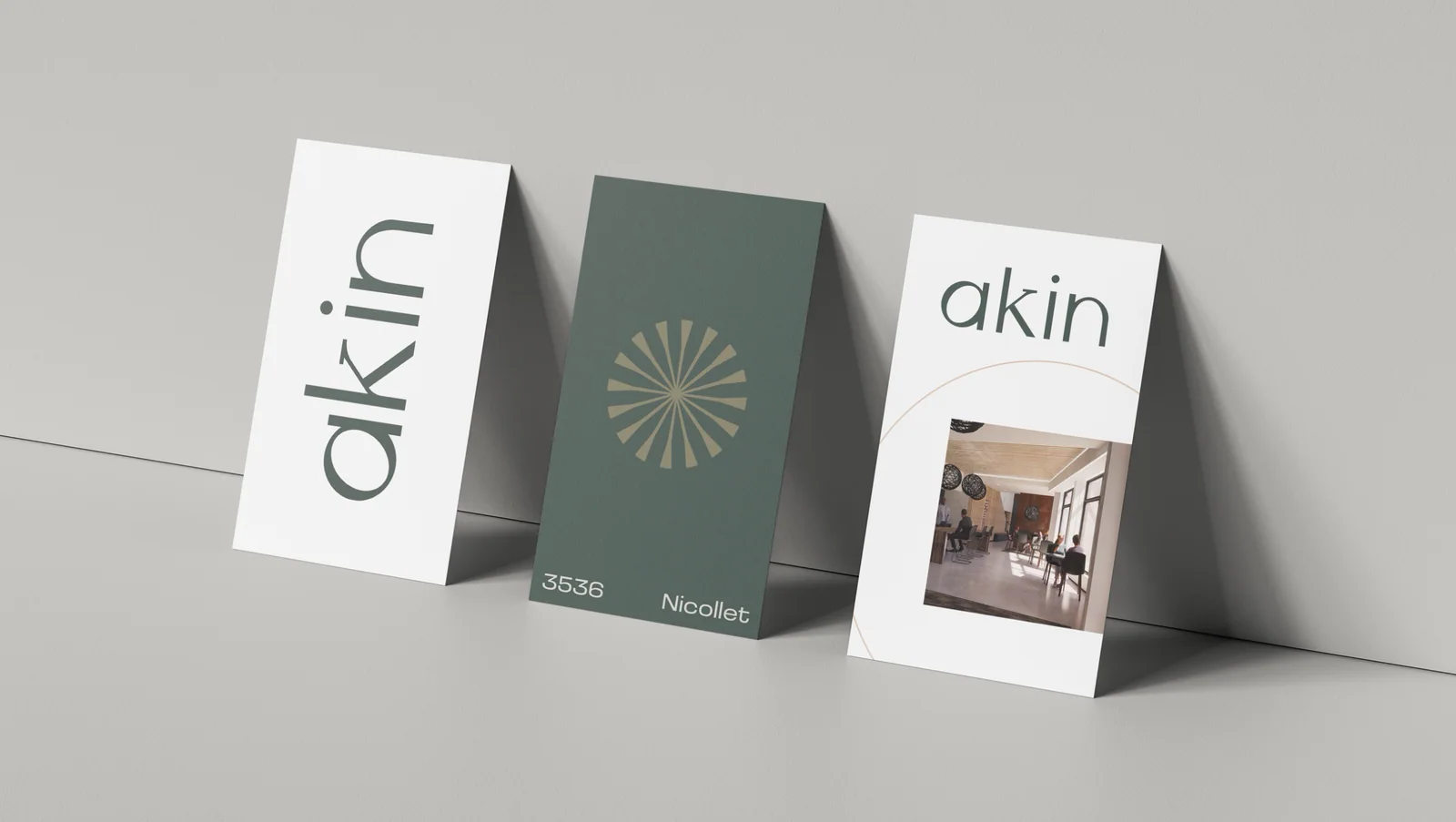
Who Shapes Your Development’s Brand?
Loft Six Four: Who is ultimately making brand decisions? Is it a collaborative effort where we all come together? For instance, let’s say a developer brings you on from the outset of the project. Maybe even as soon as they’re in the feasibility stage. They’re looking at the project and want to begin the right way because they know it has to have the right feeling to it. It has to have an identity from the beginning. They want it to be something unique and are willing to invest in you early to help create that with the architecture.
When have you seen that work and when do you feel like it’s the right time to bring that all together? Is it a group process or is it individualized and then you come together?
Chris: It’s a domino effect. If Trade A is doing their job really well, they can domino into Trade B, which goes into Trades C, D, and E more specifically. It works best when you have a development partner that has a strong vision with a great architecture team they’re working with. And they have a vision. Then it’s just, “great. Let’s talk about that vision.” Let’s bring it to life through brand identity. Let’s build a strong brand around this idea. And from that point, we can bring in the interiors. We can bring in the exterior architecture team, amenity teams, and then they’re all subsequently building on top of those ideas.
There’s overlap where we interface. It happens most with the interior design team. When an interior team is putting together the look and feel for a space and they’re trying to make strategic decisions, we’ll have conversations with them about what feels best, what feels right, or what to stay away from because of some particular reason. If we can achieve that layer effect where one builds upon the next and you’re knocking out your part and then handing the baton off to the next professional, it leads to the best outcomes on our projects.
Loft Six Four: Let’s assume that all that works together. How important are photos and videos of, let’s say, the rooftop and outdoor amenities to a top quality property website?
Chris: The rooftop amenity idea has done a big 360 in recent years. For example, the big, expansive rooftop pool was all the rage for a while. There was this notion that you could be in this rooftop pool, however many stories above ground level, and look down on everybody. But I think we’ve evolved past that. What I really enjoy now are thoughtful rooftop amenities. I was having a conversation with one of our partners recently about foregoing a big rooftop pool on a particular project and utilizing barrel saunas instead. This was for a development in a climate that’s colder more often than not. And so it made a lot of sense for them.
To your point, being able to integrate videos and photos of those barrel saunas on a website was an instant level-upper. No one was doing that — at least not many were. But no one else was taking great visual assets of what those looked like in practice.
Again, go back to what renters want to see — especially when they’re trying to make that decision between Property A and Property B. If you can make them think something like, “you know what? It’s going to be cold eight months out of the year where we live. I’d get a lot of use out of a sauna,” they can envision themselves there, warming up when the snow is falling. They’re saying to themselves, “I’m in. I’m there.”
If anything, it’s sort of a cherry on top of the property. Being able to show those rooftop amenities sort of in situ for renters to really wrap their minds around, wrap their imaginations around.
Chasing Trends Won’t Help Your Brand Stand Out
Loft Six Four: A lot of developers always want to know what’s trendy — the latest and greatest for 2023, 2024, and beyond. They almost want to be able to simply check the boxes. But is that trendy feature or amenity going to be compelling? Is it going to help you stand out?
If you’re going to bring in experts like Loft Six Four or Authentic Form and Function (at what’s likely a premium), we’re going to ask the right questions like, “is this compelling?” If not, let’s think through some other ideas that would make it more compelling.
Let’s say that means saunas instead of a rooftop pool, to use your example. That could be a really cool and unique take to make you stand out, but also hopefully attract the right demographic to your development, right? Hopefully the developers understand who they’re really marketing these buildings to.
But it’s ultimately more about being thoughtful. We want to curate unique spaces that are intended for people to use. We want to create opportunities for people to connect and build community and want to be there. Even if that’s as simple as residents being able to tout that they live in this place that has these cool amenities. Whether or not they use them day to day.
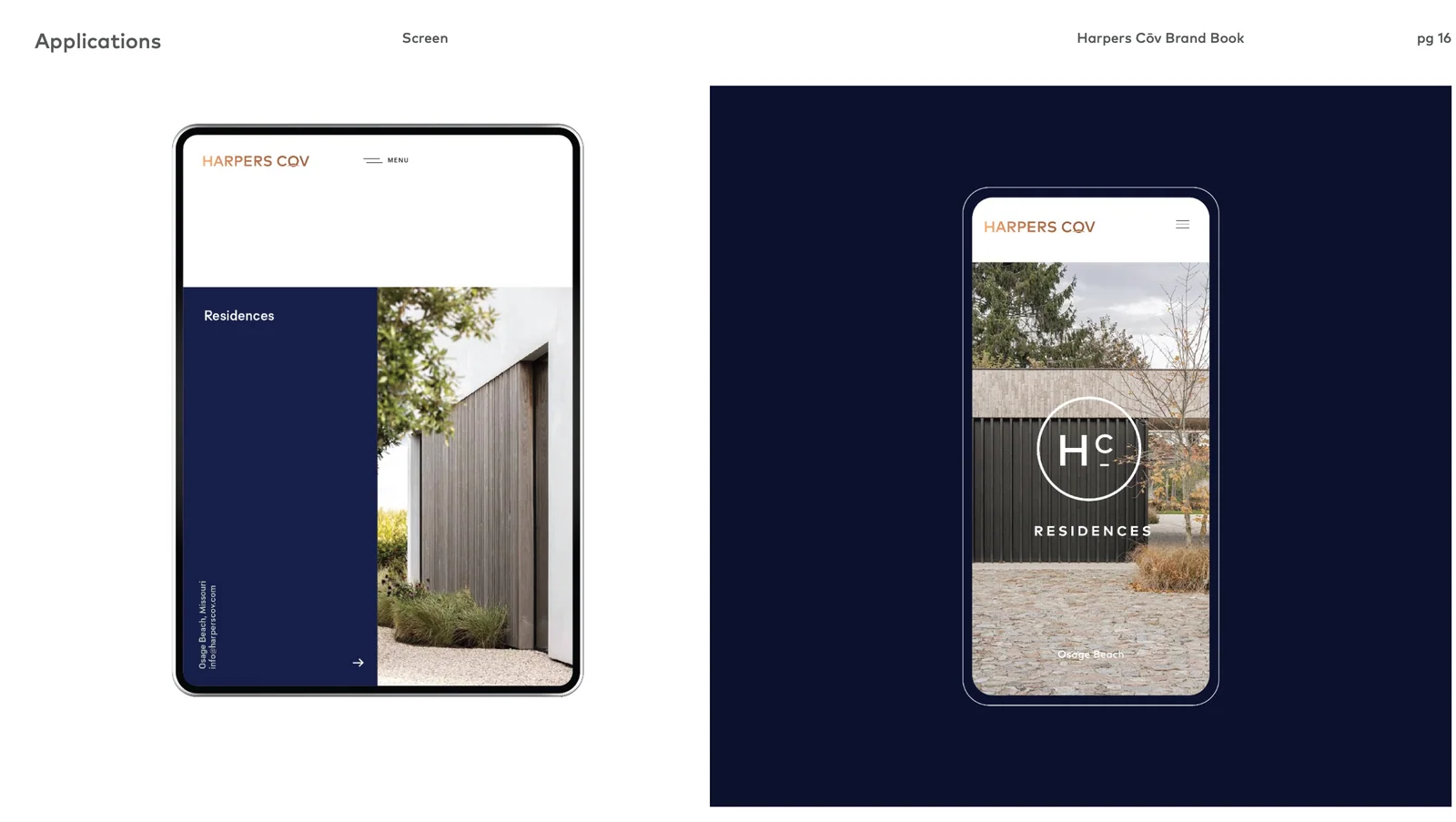
Where Do Rooftop Amenities Fit in When Marketing Your Development?
Loft Six Four: So having said that, in what ways have you seen rooftop and outdoor amenities contribute to the marketing story that you tell?
Chris: I’m going to pick on rooftop pools for a minute. They’re a dime a dozen. Most developers can say they have a rooftop pool, right? In 2023 and beyond, it’s not going to matter if you have a rooftop pool because everyone else does, too. Drive around Denver or Salt Lake City or any other urban area long enough and you’ll see all these cool, hip properties that have one. It just doesn’t matter anymore.
It goes back to this idea that the most successful development projects have a brand. They have a unique story that attracts the right renter. Period. So let’s go back to our example from earlier. Say you’re in a colder climate and decide to forego the pool and instead put in those barrel saunas as a part of a rooftop amenity mix. That alone contributes to the greater marketing story.
Maybe there’s a Nordic theme. Maybe there’s a sort of cabin-in-the-woods, kind of homey vibe to that brand. Again, all of those decisions are made in succession. You need to be able and willing to keep those decisions bespoke and resist the tendency to just check off boxes. How can you create an amenity set that really ties back to the brand and makes your property a unique living experience for someone in the future?
Loft Six Four: We talk about that every day as well. We’re really big proponents of brand identity. It just makes our job easier when we have a strong vision in the beginning to really build the narrative of whatever that story is. How can we help tell that story as well in the exterior environment as it’s told by the interior? How can we help tie everything in to create a cohesive project?
But let me ask you this. How do rooftop amenities affect the overall marketability of a project?
Chris: Rooftop amenities add a flavor to the marketing stack (if you’re not doing the standard checklist of that year). They give the property a uniqueness that others in the area likely won’t have. And from a retention standpoint, if you nail the amenities, you’re going to make it harder for renters to want to leave. I’m using rooftop saunas as my example again, but if no one else has them, why would you want to leave the one place that does? That feeling impacts a renter’s decision to stay. Because what are the alternatives? Those stale, stagnant, neutral buildings that you can walk into not feel anything?
Again the idea behind successful design and rooftop amenities in particular is how it makes you feel. And if it makes the resident feel something, then you’re succeeding. If it’s not letting them feel much of anything or it just feels sort of boring, then I think you might lose more people than you keep.
Do Your Amenities Add the Right Flavor to Your Development?
Loft Six Four: A principle I think about is removing labels from things. For example, let’s use the pool. Of course, “pool” might be the marketing term or what people think when they see it. But try to think about the bigger picture. It’s not just a pool. It’s an amenity. Remove the “pool” label and think more in terms of all of its uses and what experiences you’re trying to create.
That’s how we’ve been able to be more successful — allowing our amenities to be more functionally based. Sure, the aesthetics will be good, but can it be more than a pool? Can it be a water feature that you could market in the wintertime? Is it a sun shelf that adds a cooling effect for your sunbathing?
So, ultimately, the idea of making each project unique and truly having an identity that residents will resonate with is something that some developers may not understand. Or maybe they do but they get it in a way that only speaks to them — not their ideal residents. Or in a way that is so unique that you almost can’t compare it. It’s about the combination, the recipe of these amenities, how they’re organized, how they function, the experiences they create.
Chris: You’re right. Think of it this way. You can get chocolate chip cookies anywhere, right? You could go down to the grocery store and get fifty different kinds of chocolate chip cookies out there. But no one makes them like Grandma did, right? It’s the same idea for us. You’re creating an experience. There’s a lot that goes into it, but it’s ultimately the recipe that matters most. And if you just kind of throw a bunch of junk in a bowl, mix it up and throw it in the oven, it’s going to turn out bland, boring, or sometimes downright bad. But if you really take the time to think about what those ingredients are and bring in the right mixture, you can really make a great chocolate chip cookie.
And so when we’re talking about beautiful properties that just make sense, that’s the analogy that comes to mind for me.
What’s Next for Rooftop Amenities?
Loft Six Four: Well Chris, it was great to talk about the things we both love. We’re big fans of your work. Any final thoughts?
Chris: I’m curious if there is a particular shift or emphasis change you have seen in the last decade building rooftop amenity experiences. Is there any big movement you have seen really take place that you see becoming more of a staple?
Loft Six Four: The biggest shift I’ve seen is just an explosion in demand for better amenities. And not only in the more dense urban markets like downtown Salt Lake City. The demand has spilled out into more suburban communities like Provo, Sandy, and other smaller, up-and-coming communities.
We’re seeing more developers possess the confidence and the necessity to be more competitive with their amenities. Take 4th West, for example. This was a project that set a new standard in this area. In a lot of ways, Utah is behind in the multifamily development space — especially in developing the types of properties we’re talking about. 4th West had a full acre of rooftop space on the west side of Salt Lake City.
Now traditionally, the east side has had the most expensive property. There’s a precedent that that’s where rich people go. But 4th West proved that developments on the west side can be wildly successful in what many considered a dilapidated, rundown part of town. It set a new standard. So now there’s no way for other developers to be competitive in the west side if they don’t have rooftop amenities.
So it’s a shift in mindset. As a developer, you need to have the confidence to offer something unique in terms of your amenities.
And then to me, I would say it’s the confidence they have in designers to be able to do things that do more than check the box. So those amenities now actually have meaning, and more so, even, I would say to what you do, is that they care that properties have an identity. They need it. They absolutely need it. And it can’t be left to the management company where they go, “Here’s three options of names that aren’t used that we have been reserving for other properties, but if you want them, you can take them. If you sign now, we got the website ready, we’ll plug and play, good to go.” So I guess aside from the physical side of, let’s say, pools, like you say, have to be on every project, or at least a majority of them, the ones that can handle larger spaces, they’re all over podium decks, meaning over parking structures. So bigger and better, I would say. Really, to me, I think the big thing is just the mindset of developers shifted so much.
Chris: And it makes so much sense. I mean, you think about the demand of the modern day renter, and you think about, well, they have that downtown. They have that over there. I want that where I am. And I think that that feedback loop has now gotten so strong, where the demand is just becoming so high everywhere, to your point, suburbs, outer cores, it’s no longer an option to be ignored.
Loft Six Four: Yeah, for sure. And I think, like you said, too, at least here locally, because of the influx of people. We have Californians, we have just so many people, like a lot of people like to stay here. The secret is out in Utah. Meaning it’s kind of a cool, hip place to be. There’s a lot of tech industry here at Silicon Slopes, as they call it. Just a lot of billion dollar, hundreds of millions of dollars type companies that have relocated here that bring these higher paying jobs also that can afford these types of projects. So it’s just kind of created now the demand, like that feedback loop, like you say, is what came first, the developer or the resident that wanted these things? But now it’s just the expectation. It’s just if you don’t have it, you may as well not even build your project. They demand those things. They have higher expectations. It needs to be something, an experience. So we’re really trying to create great experiences.
Chris: Yeah. Makes perfect sense.